
Ki te whei ao
Ki te ao mārama
Tīhei mauri ora!
To the glimmer of dawn
To the bright light of day
There is life!
Nei te mihi matakuikui ki te hāpori,
arā, ki ngā iwi, ngā whānau katoa.
Whāia te mātauranga kia whakatū te oranga o whānau.
Tēnā koutou katoa.
Greetings to those of the community
and all the tribes and families
that seek knowledge to raise the well-being of families.
Greetings to you all.
Why is this research being done?
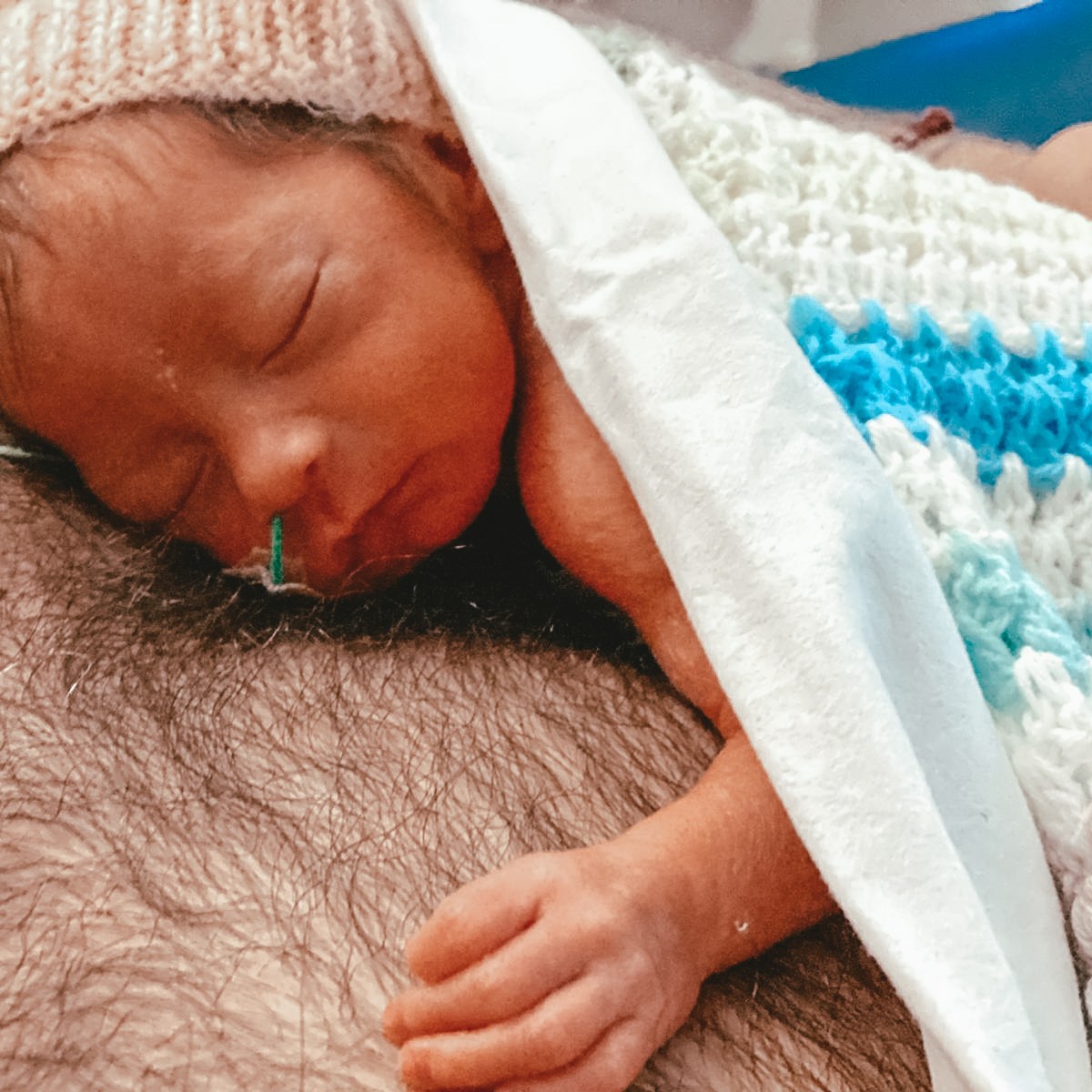
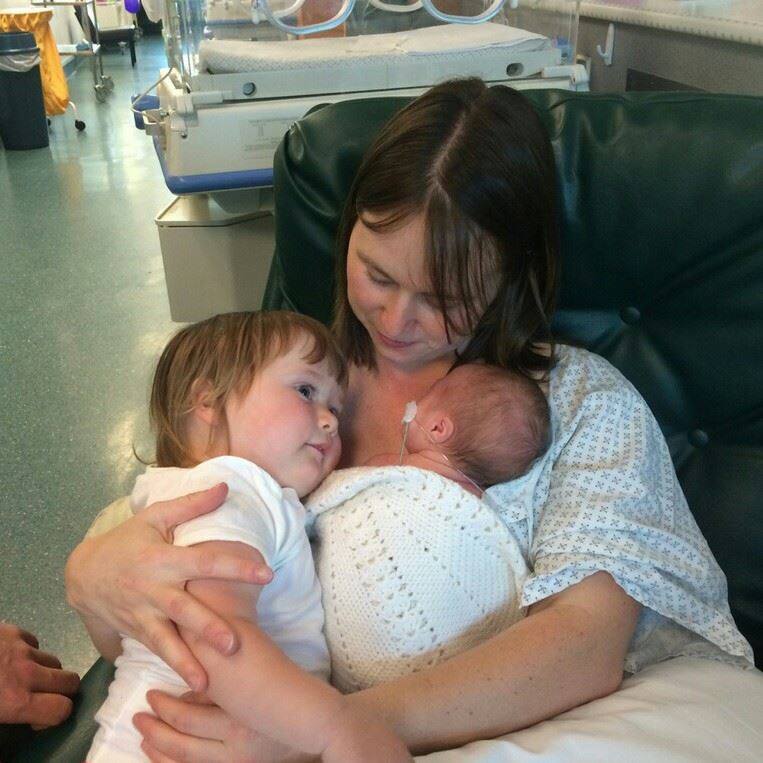
In Aotearoa New Zealand, about 8% of pēpi/ babies are born preterm or before 37 weeks of pregnancy. How early they are born, their medical problems and environment factors are involved in babies development. Babies born early have a significant difference in their exposure to sensory stimulation compared to a baby born at term. Neonatal care has improved to include skin to skin (kangaroo care), increased parent involvement in caring, reduction to noise and supporting breast feeding which have all been identified by research to be beneficial. However babies born preterm do have more developmental challenges which can be seen as they transition to home and in the first year. Supporting whānau/families to provide a home environment that meets their increased needs is now recognised as very important and in need of more research.
This study aims to better understand the effects of preterm birth on early infant development and family wellbeing in the first year of life. We are particularly interested in how parents and their new babies respond and connect with each other, and how this can support a baby’s development.
To do this, we need to study the early experiences of both preterm and term-born babies and their families. We are inviting up to 120 families to participate.
Who can participate?
We will be recruiting 2 groups of participants:
- Preterm infants born < 33+6 weeks gestation and their parents admitted to the neonatal intensive care unit (NICU) at Christchurch Women’s Hospital.
- Full term infants born between 39 and 41 weeks gestation and their parents will be recruited from Christchurch Women’s Maternity Services and from community midwifery services
What will my participation involve?
If you decide to participate, you will receive an information sheet and a consent form.
At term age:
- We will visit you and your baby at your home or at the Pukemanu Centre at the University of Canterbury
- We will ask you some questions about you and your baby
- You baby will receive a structured neurobehavioural assessment by our certified study team members
- Non-invasive heart rate and breathing measurements during the assessments
- This will be done by applying 3 adhesive electrodes on you and your baby’s chests as well as a respiration belt around your chest and your baby’s belly.
- The assessments will be video-recorded to help us note down information about your interaction and reactions. These recordings will be destroyed five years after your visit.
At 4 months postnatal age:
- We will meet with you and your baby at the Canterbury Child Development Centre at the University of Canterbury
- We will ask you some questions about you and your baby
- You and your baby will complete a few activities
- We will measure you and your baby’s heart rate and breathing non-invasively during the activities
- The activities will be video recorded to help us note down information about your interaction and reactions. These recordings will be destroyed five years after your visit.
 PĒPI Study